01463 223243
 Find
Find Book
Book


Loch Ness hikes give you much more than a chance to spot monsters. Britain’s second-largest lake stretches 23 miles and contains more water than all but one of its rivals, Loch Lomond. Thousands of visitors walk the 79-mile Great Glen Way, but the real magic lies away from these popular paths.
The 36-mile South Loch Ness Trail draws many visitors with its woodland paths and hillside views, yet countless hidden walks around Loch Ness remain unexplored by tourists. The South Loch Ness area boasts a network of 19 different walks, and more than 6,263 people have logged their hikes in this region. Local gems like Lady Falls, a beautiful waterfall, stay hidden from most visitors’ view.
Seven amazing short hikes around Loch Ness remain local secrets. These paths lead you to quiet spots overlooking Fort Augustus and through hidden forest trails. You’ll get a unique Highland experience away from the crowds. Put on your hiking boots and get ready to find Loch Ness’s best hidden trails that most visitors never see.
Allt Na Criche Trail
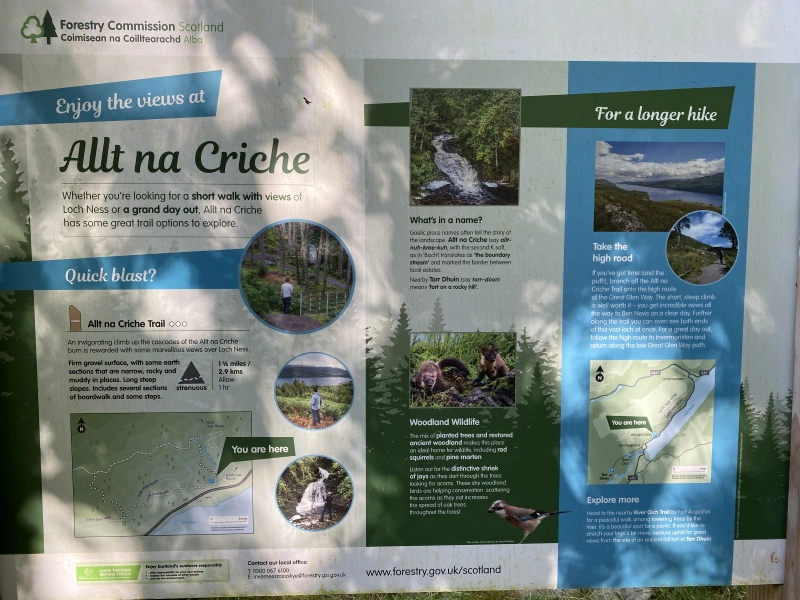
Image Source: Visit Inverness Loch Ness
The enchanting Allt Na Criche Trail sits just north of Fort Augustus. This hidden gem among Loch Ness hikes rewards hikers with amazing views away from tourist crowds. The 2.9 km circular route follows the cascading “boundary stream” through mixed birch and pine woodland. Hikers get a perfect mix of challenge and reward.
Allt Na Criche trail highlights
Your trip starts at the Forestry and Land Scotland car park along the A82, about 2 km north of Fort Augustus. The path welcomes you to the Highland’s soul right away with its winding woodland trails and peaceful waterfalls.
The trail shows off several amazing features:
- Cascading waterfalls along the Allt na Crìche burn
- Stunning panoramic views over Loch Ness and Fort Augustus
- Rich wildlife habitat hosting red squirrels, pine martens and red deer
- Mixed birch and pine woodland creating a serene atmosphere
The sort of thing I love about this trail is how it changes as you move along. Dense woodland with winding paths and steep stone steps give way to open tracks with breathtaking views across Loch Ness. These varied landscapes make the Allt Na Criche Trail stand out among walks near Loch Ness.
Allt Na Criche difficulty level
The Allt Na Criche presents a moderate challenge despite its short length. The trail stretches 2.9 km with an elevation gain of 127 metres. Most hikers complete it in 57-90 minutes, depending on their pace and photo stops.
The path has several distinct sections that make it moderately difficult:
- Firm gravel surfaces with long steep slopes
- Several sections of stone steps
- Original steep zig-zag climb through woodland
- Winding downhill sections through trees
Waterproof footwear works best, especially after rain when some parts get muddy. Steep climbs and stone steps make the trail unsuitable for pushchairs or bikes. The main forestry tracks nearby can handle these if you need alternatives.
Clear waymarks guide you throughout the trail, making it easy to navigate for first-time visitors. Dogs can join the adventure but must stay on a lead to protect the local wildlife.
Allt Na Criche local secrets
Local hikers recommend going anti-clockwise. This way tackles the steep climb first while you’re fresh and lets you enjoy a gentle forest descent. The most spectacular views appear midway through your hike with this approach.
Summer months from April through September bring seasonal berries to the trail. Blackberries and blaeberries dot the path, offering sweet natural treats. Nature enthusiasts will love the variety of lichens and mosses thriving in this ancient woodland.
The trail connects with the Great Glen Way—a 79-mile (127 km) long-distance path between Fort William and Inverness. Ambitious hikers can turn their short walk into a bigger adventure on one of Scotland’s famous routes.
Fort Augustus welcomes tired hikers with cosy cafés and the Caledonia Canal Centre after the walk. The trailhead has no facilities, so bring water and snacks along.
The Allt Na Criche Trail shows why short Loch Ness hikes are special. It combines easy access with real Highland wilderness in a way that creates lasting memories.
Lady Falls Woodland Path
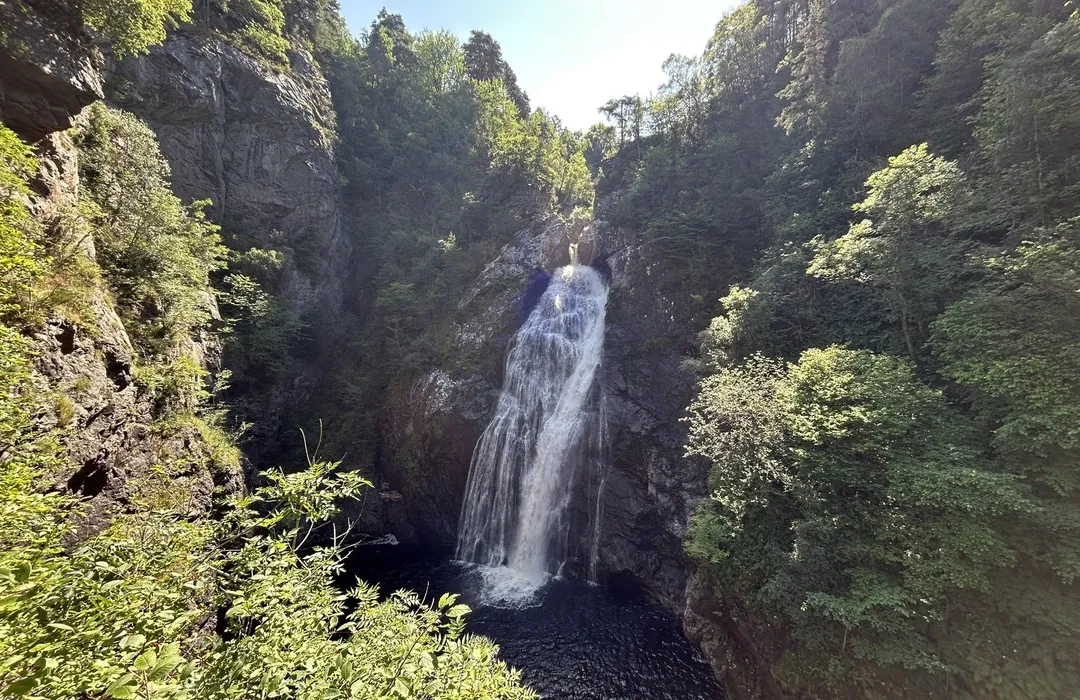
Image Source: AllTrails
Lady Falls (also called the Secret Waterfall or Culachy Falls) ranks among the locals’ favourite hidden Loch Ness hikes. The waterfall’s 20-foot cascade and peaceful woodland setting make it special. You can find this hidden gem just a short walk from Fort Augustus, away from the busy tourist trails that fill the area.
Lady Falls trail highlights
The stunning waterfall steals the show on this woodland path. The trail ends at a spectacular 20-foot waterfall that pours into a shallow pond. You can get really close to the falls and feel the spray of water while hearing its powerful roar.
Your trip to Lady Falls comes with these amazing features:
- Quiet woodland trails perfect for wildlife watching
- Small paths that lead right to the waterfall
- Great spots to see red and sika deer in nearby fields
- Seasonal changes—winter might reward you with partly frozen falls that look straight out of a fantasy movie
The path takes you through some beautiful spots including:
- Working farmland you can see from the trail
- A pink castle owned by locals that adds some magic to the scene
- Plants and flowers that change with the seasons, from bright summer blooms to frosty winter scenes
Lady Falls difficulty level
The effort needed to reach Lady Falls explains why locals call it the “secret waterfall”. Most people take about 1.5-2 hours to complete the round trip. The trail runs 4.5 km (2.8 miles) and climbs 149 metres.
Watch out for these challenges along the way:
- Tree roots and thick plants that could trip you up
- Narrow spots with steep drops on one side that need careful steps
- Mud can be an issue after rain
- Parts of the trail get pretty narrow, so you’ll need to walk single file
Most hikers, including families with kids, can handle this easy to moderate route. You’ll need good waterproof hiking boots whatever the season. A water bottle and packed lunch will make your trip better.
Lady Falls local secrets
Locals start their hike at Kilchuimen Cemetery, about a mile south of Fort Augustus. Start by walking through the cemetery and climb over the stile in the brick wall at the far end. Keep going straight at the crossroads until you see the first signpost.
The Lovat Hotel guests can walk to the trail, but they should ask the staff for directions since most maps don’t show the path clearly. This spectacular spot stays hidden because it’s hard to find—and that’s what keeps it so pristine.
The best times to visit depend on what you want to see:
- Winter brings partly frozen falls that look magical
- The waterfall shows its true power after heavy rain
- Deer are most active early in the morning
The trail might seem tricky at times, and you might think you’re lost. Just stick to the main path. Your reward is a waterfall that stays peaceful and quiet compared to other Loch Ness spots.
Fort Augustus has lots of hiking options, but Lady Falls gives you something special—a true local experience with natural beauty and a peek into the hidden parts of Loch Ness that most tourists never find.
Stone Cave – Viewcatcher Loop
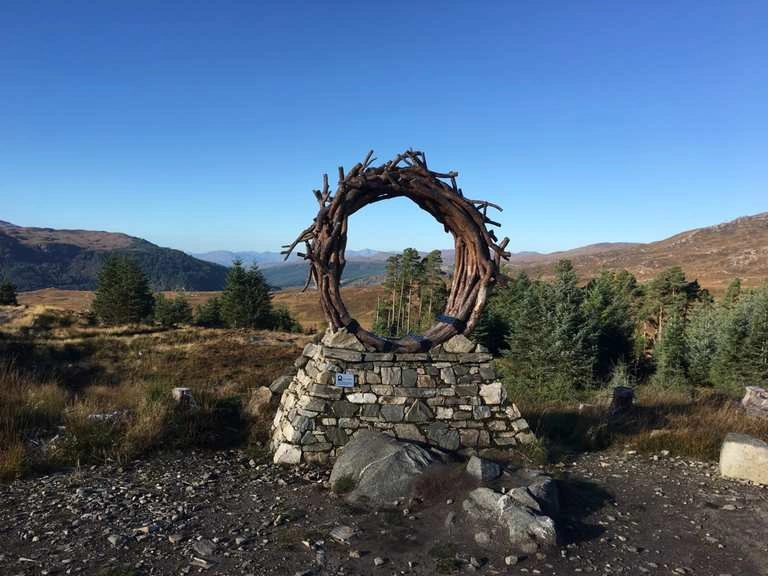
Image Source: Komoot
The Stone Cave – Viewcatcher Loop lies hidden along the Great Glen Way. This amazing trail takes you through history and spectacular views. You’ll find a 19th-century stone refuge paired with modern art that creates one of the most memorable Loch Ness hikes away from the usual tourist spots.
Stone Cave trail highlights
The Stone Cave stands as the centrepiece of this walk. This small refuge built in the 19th century sheltered a local washerwoman who walked this route daily to her work in Invermoriston. Local builders used stone in a dry stone wall technique to create this structure. Mosses and wild plants now cover its exterior, giving it a magical storybook look.
The cave interior features:
- A long stone seating area running around the edge
- Low but comfortable ceiling providing excellent shelter
- Historical connection to local daily life
- Natural insulation from harsh Highland weather
“The Viewcatcher Wheel” matches the cave’s appeal. This curious art installation uses Caledonian Pine and local stone. The sculpture frames distant views of Munros (Scottish mountains) north of Loch Cluanie and shows off the stunning Highland scenery. Hikers who reach this high point along the Great Glen Way since 2014 get treated to amazing panoramas.
Stone Cave difficulty level
The Stone Cave – Viewcatcher Loop suits intermediate hikers with moderate challenge. The complete circular route from Invermoriston covers 6.80 miles (10.9 km). You’ll climb 1,100 feet (335 metres) and need about 3 hours and 14 minutes to finish.
More adventurous options include:
- The Viewcatcher Wheel – Stone Cave loop: 8.47 miles, 1,575 feet elevation gain, about 4 hours 10 minutes
- View of Loch Ness – The Viewcatcher Wheel loop from Foyers: 10.4 miles, 1,775 feet elevation gain, about 5 hours
The trail changes character throughout its course. The cave’s entrance sits quite low, so you might need to take off your rucksack to get in. Rain can make some sections slippery, so wear waterproof boots. Clear markers guide the way, but you’ll need decent fitness for some challenging uphill sections.
Stone Cave local secrets
The Stone Cave serves as vital shelter during bad weather. Yes, it is more than just a historical spot – it becomes a welcome refuge when Highland weather turns nasty quickly.
Experienced hikers recommend visiting between April and November for the best trail conditions. Each season brings its own magic:
- Spring fills the path with blooming wildflowers
- Summer gives you more daylight to explore
- Autumn paints the woodlands in spectacular colours
- Winter rewards you with crisp, clear views on good days
The Viewcatcher Wheel gives photographers amazing shots. Frame the distant mountains through the circular structure to create unique images of this Loch Ness hike.
Stone Seat sits about 10 minutes from the main path. Take a narrow forestry track and climb steep crags to reach it. The sort of thing I love about this spot is its hidden views that most tourists miss, though getting there means scrambling over big rocks on sometimes slippery ground.
This loop stands out from other Loch Ness walks. It blends history, art, and natural beauty into one amazing trip that shows off Highland heritage and modern landscape art.
Torr Dhuin Iron Age Fort Trail
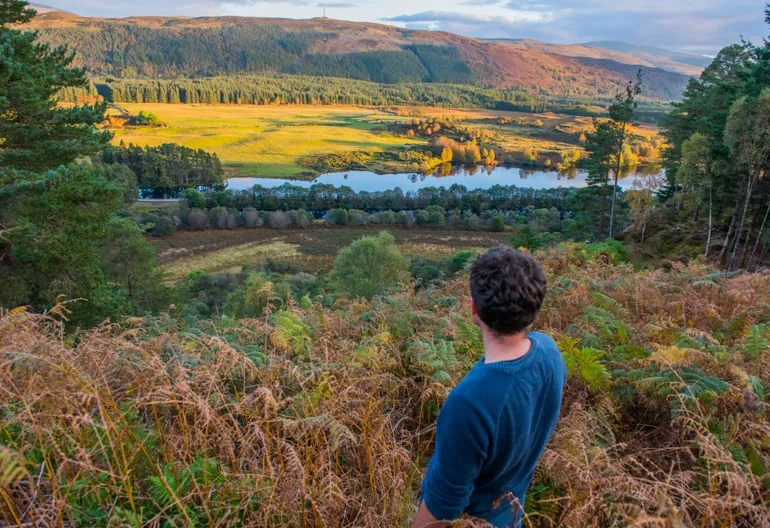
Image Source: Forestry and Land Scotland
The Torr Dhuin Iron Age Fort Trail sits atop a dramatic cliff near Fort Augustus. This trail gives history buffs and hikers a chance to learn about ancient defensive fortifications while taking in breathtaking views. The prehistoric hilltop fort, with walls up to three metres thick, guarded a crucial route through the Scottish Highlands. This makes it stand out among Loch Ness hikes.
Torr Dhuin trail highlights
The Iron Age fort steals the show with its remarkable vitrified (burnt) walls that have lasted thousands of years. Your trip will take you past:
- Ancient defensive structures – The fort’s thick walls show off prehistoric engineering techniques
- Panoramic vistas – Breathtaking views over the Great Glen and Caledonian Canal
- Diverse woodland – A path through towering Norway spruce, larch and Scots pine
- Rich wildlife habitat – The perfect spot to see red squirrels, otters and various water birds
The trail’s historical importance sets it apart. Most walks around Loch Ness focus on natural beauty, but Torr Dhuin blends archaeology with stunning scenery. The fort guarded an important mountain route in prehistoric times, adding a fascinating layer to your hike.
Torr Dhuin difficulty level
The trail offers a moderate challenge that pays off with amazing views. The full loop stretches 2.3-2.4 km and takes between 52 minutes and 1 hour to finish. With an elevation gain of approximately 569 metres, the medium difficulty rating feels right.
The terrain throws up several challenges:
- Narrow and steep firm gravel paths with tight corners
- A bridge crossing
- Steep sections that need careful footing
- Tight corners that can be tricky to handle
Weather plays a big role in your experience. August and September see temperatures between 14.5-17°C with some showers and drizzle. Good footwear becomes crucial, especially when wet conditions make paths slippery.
Families or those wanting an easier walk should check out the River Oich Trail. This 6.2 km route follows the beautiful river through similar woodland but stays mostly flat with just a few short steep slopes.
Torr Dhuin local secrets
Local hikers swear by taking the trail anti-clockwise for an easier climb. This way lets you tackle the tough parts early and saves energy to enjoy the spectacular views later.
Finding the start can be tricky. Drive north from Fort Augustus toward Inverness and look for a Jenkins Park and Auchteraw sign on the left before leaving the village. Take a left up the steep hill, then another left after the play park. At the fork, keep left and go another 2½ miles (4 km) until you spot Forestry and Land Scotland signs pointing to a forest road and car park.
The trail gets busy from April to September – peak visiting season. Early mornings or evenings offer quieter times and better chances to spot wildlife.
Torr Dhuin is just one of many Great Glen forts built in the Iron Age. History lovers might want to check out other fortifications nearby to learn about prehistoric defensive networks throughout the Great Glen.
The trailhead has no facilities, but Fort Augustus village offers public toilets and plenty of places to eat. The village makes a great starting point to explore one of Loch Ness’s best hikes.
Loch Bran Wildlife Walk
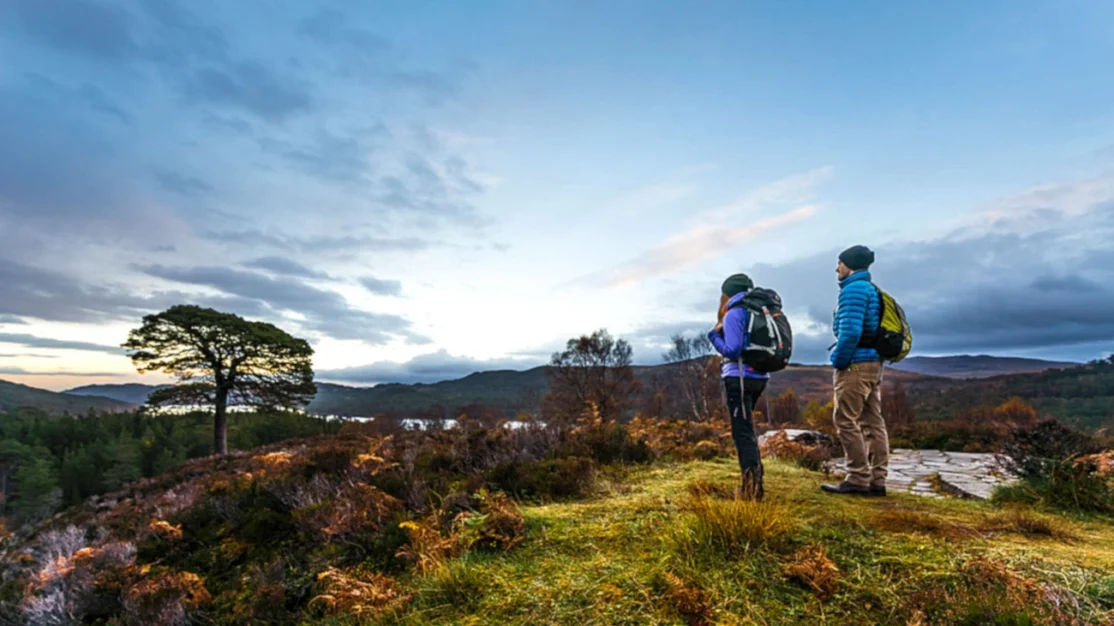
Image Source: Visit Inverness Loch Ness
Nature lovers will find an extraordinary display of ecological diversity at Loch Bran, which ranks among Scotland’s best wildlife walks near Loch Ness’s southern shores. This charming small loch creates the perfect home for Britain’s most fascinating creatures. It stands out from other Loch Ness walks because it showcases natural wonders rather than tourist spots.
Loch Bran trail explains
Loch Bran’s exceptional biodiversity makes it special. The loch ranks as one of Scotland’s top spots to watch damselflies and dragonflies, with many colourful insects calling it home. Visitors can spot the stunning emerald dragonfly among other species that thrive in this protected setting.
The loch’s rich ecosystem supports more than just these winged beauties:
- Amphibians like frogs and toads
- Several bird species
- Fish such as trout and arctic char
The tranquil waters come alive in summer when beautiful water lilies cover the surface and create a stunning display. Scottish Natural Heritage manages this picturesque setting that becomes even more beautiful during seasonal changes.
Loch Bran difficulty level
The Loch Bran Wildlife Walk offers a welcoming hiking experience. This circular trail covers 1.4 km and takes 25-60 minutes to complete. Most fitness levels can handle this easy route with its modest 48-metre elevation gain.
The path features:
- Well-marked trails through forest areas
- Grass pathways common in local farmland
- Signs with information about the area
The trail welcomes families right from the start. People of all ages can enjoy this walk, and dogs are welcome if kept under control. A short section accommodates pushchairs and wheelchairs, making it more available than other Loch Ness hikes.
Loch Bran local secrets
The loch’s name tells an interesting story—it honours one of the massive legendary hounds owned by Gaelic hero Fionn mac Cumhaill. This connection to Scottish folklore adds a cultural layer to your wildlife adventure.
Wildlife watchers should remember these tips:
- Early morning visits offer the best wildlife spotting chances
- Pack binoculars to watch dragonflies without disturbing them
- The surrounding low-lying bog land shows a unique transitional mire ecosystem
The sort of thing I love about Loch Bran is its ecological evolution through centuries. Mosses, rushes and sedges have grown over the loch to create a transitional mire surrounded by bog land. Sphagnum or bog moss dominates the area, building up over centuries to form peat—showing fascinating ecological changes.
You’ll find free parking at the entrance, but the site has no toilets or places to buy refreshments. A bit of preparation before your visit will help you enjoy this exceptional experience into one of the hidden ecological treasures among short Loch Ness hikes.
Divach Falls Hidden Route
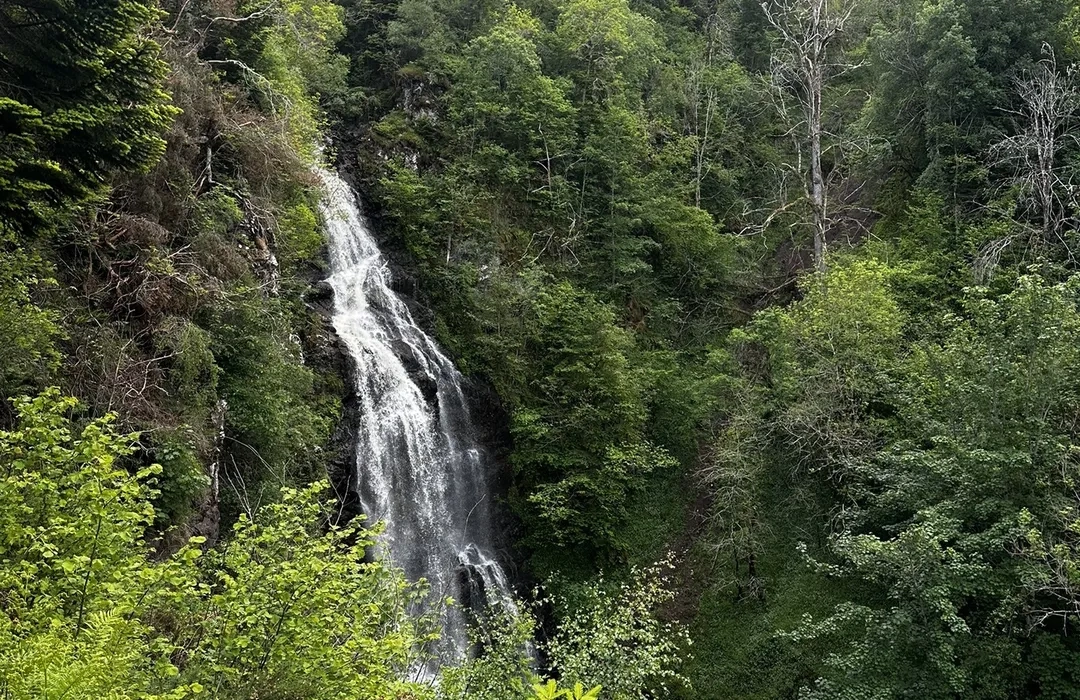
Image Source: AllTrails
A peaceful Highland cascade awaits you just two miles south of Drumnadrochit at Divach Falls. This quiet spot offers one of Loch Ness’s most serene short hikes, featuring a stunning 100-foot waterfall nestled in ancient oak woodland.
Divach Falls trail highlights
Your trip through atmospheric oakwoods to Divach Falls feels like stepping into a fairy tale, no matter the season. At the falls, you’ll find:
- A spectacular waterfall that drops 100 feet into the Divach Burn and flows to Urquhart Bay on Loch Ness
- Two different viewing levels that work great when other visitors are around
- A perfect spot to enjoy a quiet picnic in nature
- Amazing wildlife, especially when spring brings birdsong to the ancient oaks
The trail stands out because it remains untouched. Most visitors miss this hidden gem as they focus on Loch Ness itself. This makes it a perfect escape from busy tourist spots around the loch.
Divach Falls difficulty level
Getting to Divach Falls is simple and quick. The round trip takes about 30 minutes on a clear earth path. The viewing platforms are just 300 yards from the car park.
A landslide has closed the public road to the car park. Visitors need to walk from Drumnadrochit or take the Glen Coiltie Loop. The path is clear but can get muddy, so wear boots or trainers.
Most people can handle this easy stroll, but the path isn’t suitable for wheelchairs.
Divach Falls local secrets
The falls look their best after heavy rain when water levels are high. You have two options for your return journey—go back the way you came or take a steeper path up to the minor road that leads to the car park.
Want a longer adventure? Add a walk to Craigmonie for amazing views over Loch Ness. Then head to Drumnadrochit for a meal—locals love Fiddler’s or the Loch Ness Inn.
The car park fits only 3-4 cars, so it’s best to visit during quiet times. This limited parking helps keep the falls peaceful, making it one of the best spots around Loch Ness for those seeking quiet moments in nature.
Creag Dhearg Viewpoint Trail
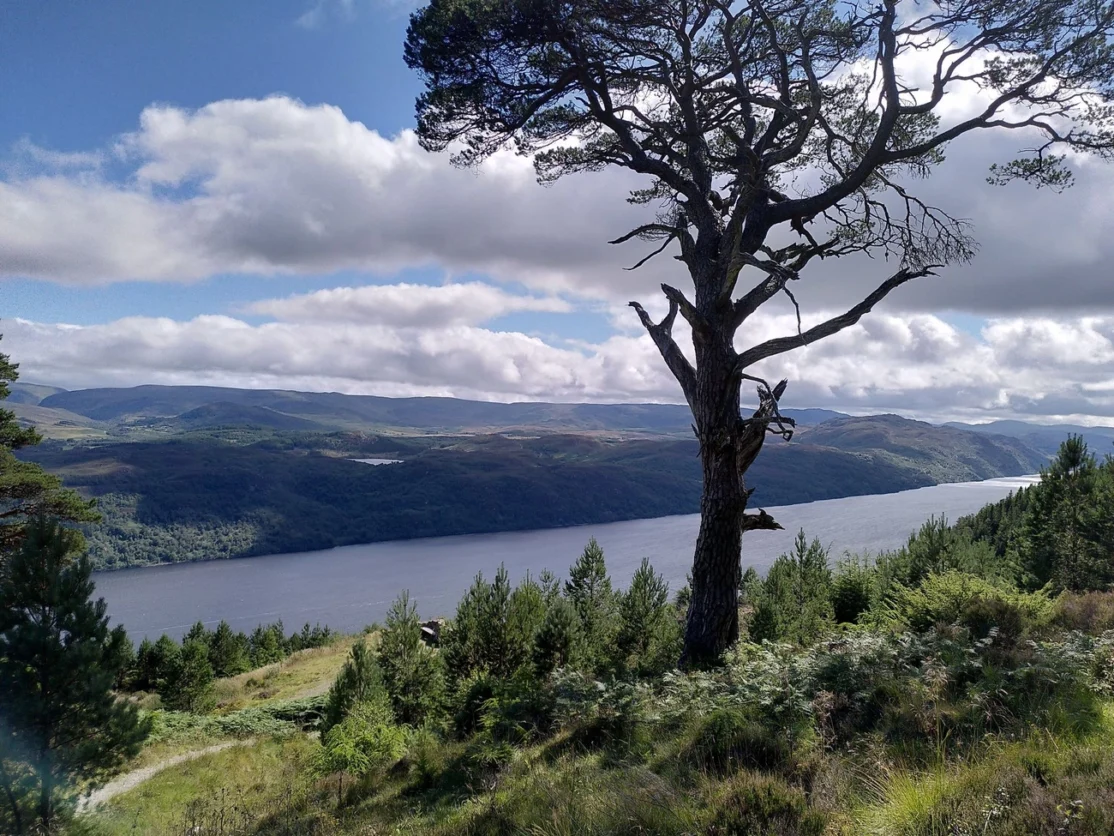
Image Source: Komoot
Creag Dhearg rises 317 metres above sea level and gives visitors a breathtaking view of Loch Ness. This hidden gem near Foyers lets you experience panoramic views that capture the Scottish Highlands’ beauty, away from the tourist-packed popular spots.
Creag Dhearg trail highlights
The summit of Creag Dhearg rewards hikers with spectacular views of Loch Ness and its surroundings. The trail boasts:
- Stunning panoramic views that more than 90% of hikers rate as exceptional
- Links to the beautiful sections of the Great Glen Way
- Rich landscapes that shift from open vistas to thick forest cover
- A chance to push further to Glas-bheinn Mhor if you want more adventure
The viewpoint reaches 317 metres with a 41-metre prominence, which creates a perfect spot to appreciate Loch Ness’s massive scale below.
Creag Dhearg difficulty level
This mid-level hike needs good fitness but remains available to most walkers. Clear path markers make the trail suitable for hikers of every skill level. The basic route stretches 2.24 miles, though you can make it longer by choosing different path combinations.
The elevation changes won’t overwhelm you – the highest point reaches 273 yards while the lowest sits at 11 yards. Forest tracks that connect to the Great Glen Way make navigation simple, which makes this trail perfect for hikers who want a decent challenge with amazing views.
Creag Dhearg local secrets
Local hiking enthusiasts suggest taking the forestry track east of the summit when coming down, as it meets the Great Glen Way. You’ll enjoy open views before the trail leads you through thick forest sections – a unique feature among Loch Ness trails.
Seasoned hikers might want to head south then west from the summit toward Glas-bheinn Mhor to see the stunning Loch nan Breacan Dearga. The ground gets rougher on this extended route, but the views are worth every step.
The trail’s easy access by public transport means you won’t need to rent a car or make complex travel plans that often keep people from exploring the more remote Loch Ness hiking paths.
Comparison Table
| Trail Name | Distance | Duration | Elevation Gain | Difficulty Level | Key Features | Accessibility/Parking |
| Allt Na Criche Trail | 2.9 km | 57-90 mins | 127m | Moderate | Beautiful cascading waterfalls, sweeping panoramic views, native red squirrels, diverse mixed woodland | Forestry and Land Scotland car park on A82 |
| Lady Falls Woodland Path | 4.5 km | 1.5-2 hrs | 149m | Easy to Moderate | Stunning 20-foot waterfall, natural woodland paths, abundant wildlife, charming pink castle | Start from Kilchuimen Cemetery |
| Stone Cave – Viewcatcher Loop | 10.9 km | 3 hrs 14 mins | 335m | Moderate | Historic 19th-century stone refuge, unique Viewcatcher Wheel art piece, breathtaking views | Car park access via Invermoriston |
| Torr Dhuin Iron Age Fort Trail | 2.3-2.4 km | 52-60 mins | 569m | Medium | Ancient Iron Age fort remains, historic vitrified walls, scenic Caledonian Canal views | Car park near Jenkins Park, Fort Augustus |
| Loch Bran Wildlife Walk | 1.4 km | 25-60 mins | 48m | Easy | Rich wildlife habitat with dragonflies, water lilies, natural transitional mire | Free parking at entrance |
| Divach Falls Hidden Route | 300 yards (one-way) | 30 mins | Not mentioned | Easy | Spectacular 100-foot waterfall, old-growth oak woodland, convenient viewing areas | Limited parking (3-4 cars) |
| Creag Dhearg Viewpoint Trail | 2.24 miles | Not mentioned | 262m (from 11 to 273 yards) | Intermediate | Spectacular Loch Ness vistas, well-maintained forest paths, connects to Great Glen Way | Public transport access available |
Conclusion
A world of Highland wonders lies beyond the tourist-packed paths. These seven secret Loch Ness trails give you something way better than the usual monster-spotting trips most tourists take.
Lady Falls has cascading waterfalls. Torr Dhuin Iron Age Fort holds ancient history. Creag Dhearg offers stunning panoramas. Each trail gives you special moments away from the crowds. Your Highland adventure becomes more real and personal when you leave the busy routes behind.
These hidden paths are easy to reach. Families and casual walkers love the gentle Loch Bran Wildlife Walk with its dragonflies and water lilies. More ambitious hikers can test themselves on the tough climbs of the Stone Cave – Viewcatcher Loop. Each trail suits different fitness levels, making these local treasures perfect for everyone.
Red squirrels, pine martens, deer, and countless bird species call these trails home. Bring your binoculars if you love wildlife. History fans will love learning about prehistoric fortifications and 19th-century stone refuges that tell amazing stories of Highland life through time.
Next time you’re at Loch Ness, skip the usual tourist spots and try these local secrets. Your boots might get muddy. Your legs might feel the burn from climbing Highland hills. The signs might not be perfect. But these small challenges bring big rewards. The real magic of the Scottish Highlands shows up when you go where most visitors never set foot.
Grab your waterproofs and lace up your boots – adventure calls. The hidden Loch Ness is ready for you. No monster sightings promised, but you’ll definitely make memories that last forever.
Key Takeaways
Discover seven spectacular hidden trails around Loch Ness that offer authentic Highland experiences without the tourist crowds, from ancient Iron Age forts to secret waterfalls.
• Skip the crowds: These local-favourite trails provide genuine Highland experiences away from the 79-mile Great Glen Way’s tourist masses.
• Varied difficulty levels: From easy 30-minute strolls to Divach Falls to challenging 3-hour loops, there’s a perfect hike for every fitness level.
• Rich wildlife opportunities: Spot red squirrels, pine martens, dragonflies, and deer whilst exploring diverse ecosystems from ancient oakwoods to transitional mires.
• Historical treasures await: Explore Iron Age fortifications with 3-metre-thick walls, 19th-century stone refuges, and prehistoric defensive networks throughout the Great Glen.
• Waterproof boots essential: Highland weather changes rapidly, and many trails feature muddy sections, stone steps, and stream crossings requiring proper footwear.
These hidden gems combine natural beauty, historical significance, and authentic Scottish culture, offering far more rewarding experiences than standard monster-spotting expeditions. Each trail tells unique stories about Highland heritage whilst delivering spectacular views that most Loch Ness visitors never witness.
FAQs
Q1. What is the best time of year to hike these hidden Loch Ness trails? The optimal time for hiking these trails is generally between April and November when weather conditions are most favourable. However, each season offers unique advantages, from spring wildflowers to autumn foliage and crisp winter views.
Q2. Are these hidden trails suitable for families with children? Many of the trails, such as the Loch Bran Wildlife Walk and Divach Falls Hidden Route, are family-friendly and suitable for children. However, some trails like the Stone Cave – Viewcatcher Loop may be more challenging and better suited for older children or more experienced hikers.
Q3. What wildlife might I encounter on these Loch Ness hikes? You may spot a variety of wildlife including red squirrels, pine martens, deer, otters, and numerous bird species. Loch Bran is particularly known for its dragonflies and damselflies, while other trails offer opportunities to see woodland and water birds.
Q4. Do I need special equipment for these hidden Loch Ness hikes? While most trails don’t require specialised equipment, waterproof hiking boots are strongly recommended for all hikes due to potentially muddy conditions. Binoculars can enhance wildlife viewing, and carrying water and snacks is advisable as facilities are limited on most trails.
Q5. How do these hidden trails compare to more popular Loch Ness walks? These hidden trails offer a more authentic Highland experience with fewer crowds compared to popular routes like the Great Glen Way. They provide diverse landscapes, from ancient woodlands to Iron Age forts, and offer unique perspectives of Loch Ness that many tourists miss.