01463 223243
 Find
Find Book
Book


Think you know Inverness? Think again! This Highland gem holds secrets stretching back over 8,500 years, with settlers calling this special place home since at least 6500 BCE. Amazing, isn’t it? Despite only getting official city status in 2000, Inverness boasts ancient royal credentials as the capital of the Picts, where the mighty King Brude met his match when St. Columba arrived around 565.
What a journey this place has had! From mediaeval stronghold—complete with its first stone castle built by King David I in the 12th century—to becoming one of Europe’s fastest-growing cities. Talk about staying power! Today’s Inverness doesn’t just rest on its historic laurels either. The city earned an impressive fifth place ranking out of 189 British cities for quality of life in 2008.
Here’s something that’ll fascinate you: when you explore the castle grounds today, you can still spot the original well from that mediaeval fortress. History literally bubbling up from beneath your feet!
From those mysterious Pictish settlements to heart-stopping battles—including the devastating Battle of Culloden where over 1,200 souls perished in less than an hour—we’re about to uncover the captivating story of Scotland’s only Highland city. Ready to discover what makes Inverness truly famous? You’ll uncover surprising tales, explore centuries of dramatic history, and journey from the earliest days right through to today’s renaissance. Let’s dive into this remarkable Highland adventure!
The First Footprints: Life Before the City
“We look to Scotland for all our ideas of civilisation.” — Voltaire (Francois Marie Arouet), French writer and philosopher, one of the Enlightenment’s most influential thinkers

Image Source: Happy Tours
Early settlers and archaeological finds
Picture this: thousands of years before any castle graced Inverness’s skyline, thriving communities already called this place home! Recent excavations at the HMP Highland site have revealed something extraordinary—evidence of roundhouse settlements stretching back 2,000 years to the Late Bronze Age and Iron Age periods. We’re talking about the remains of at least 16 roundhouses that once stood as substantial timber-framed buildings, complete with hearths, cooking pits, and enclosure ditches.
What the archaeologists found tells an incredible story. Metal objects of iron and copper-alloy, stone tools like whetstones for sharpening and querns for grinding grain—these people knew their craft! But here’s the real showstopper: clay moulds for casting bronze objects, including a rare mould for a leaf-shaped sword. This discovery suggests we’re looking at a centre of skilled craftsmanship dating back approximately 3,000 years. Absolutely fascinating!
The Picts and their mysterious symbols
Now here’s where things get really intriguing! The Picts dominated northern Scotland from around 400 AD for about 600 years, and boy, did they leave their mark. These enigmatic folk—whose name comes from the Latin ‘Pictii’ meaning ‘painted people’—still puzzle historians today.
Want to see something special? The Inverness Museum houses one of Scotland’s most important Pictish collections, featuring ten symbol stones with carefully carved symbols and animals, plus fine Pictish metalwork. These symbols aren’t random—they follow specific patterns, often appearing in pairs:
- Geometric shapes such as crescents and V-rods
- Stylised animals including bulls, wolves, and eagles
- Everyday objects like mirrors and combs
Most archaeologists reckon these repeated symbols worked as a codified writing system for personal names, possibly showing clan affiliations or marking important family alliances. Like ancient Highland Facebook, if you will!
St. Columba and the conversion of King Brude
We touched on this monumental moment earlier, but let’s dig deeper into what happened when St. Columba met Pictish King Brude around 565 AD. Traditional accounts place this historic encounter right in what’s now Inverness city centre, at the site of the Old High Church.
Here’s something you might not know—some sources reckon King Brude actually lived in the vitrified fort atop Craig Phadrig, that wooded hill on Inverness’s western edges. The meeting changed everything. King Brude’s conversion to Christianity didn’t just affect one man—it established Inverness as the cradle of Christianity in northern Scotland.
After St. Columba departed, his followers weren’t finished. They founded a monastic cell at the site, which grew over centuries into more substantial structures, eventually becoming the Church of St. Mary completed in 1171. This religious heritage remains woven into the very fabric of Inverness’s story and cultural identity. Amazing how one conversation can change history forever!
Castles, Clans and Crowns: The Rise of Inverness

Image Source: en.wikipedia.org
What a tale of power, politics, and bloodshed the castle overlooking Inverness tells! Nearly a millennium of turbulent history unfolds from these ancient walls. King Malcolm III laid the first foundations in 1057 after he destroyed Macbeth’s stronghold at Crown Hill. Then came King David I, who built the stone castle during his reign (1124-1153) and granted Inverness its royal burgh status. This marked the true beginning of the city’s rise to prominence.
The first Inverness Castle and its destruction
Shaw Macduff, first chief of Clan Mackintosh, took charge as constable of Inverness Castle when Malcolm IV appointed him in 1163. But peaceful times? Not a chance. The castle became a prize constantly fought over, changing hands repeatedly through the centuries. Robert the Bruce seized it in 1307 and made a strategic decision—he partially destroyed it, razing the battlements to prevent his enemies from using this military stronghold against him.
Royal charters and mediaeval expansion
William the Lion (1165-1214) showed his favour by granting Inverness four precious charters, with one creating it as a royal burgh. These weren’t just fancy documents—they bestowed real power, allowing burgesses to settle their trade disputes in their own courts rather than going through the king’s sheriff. Alexander II sweetened the deal further in 1236 by granting the lands of Merkinch to the growing town.
Clan battles and sieges
Peaceful castle life? Hardly! Inverness endured relentless conflicts, being captured 14 times between 1163 and 1500. The Lords of the Isles proved particularly troublesome, attacking repeatedly—Alexander even burned the entire town in 1429. Mary Queen of Scots herself laid siege to the castle for three long days in 1562 after being rudely denied entry. The drama continued through the Jacobite risings, with the castle changing hands multiple times before the Jacobites finally destroyed it in 1746.
Rebellion and Ruin: The Jacobite Legacy
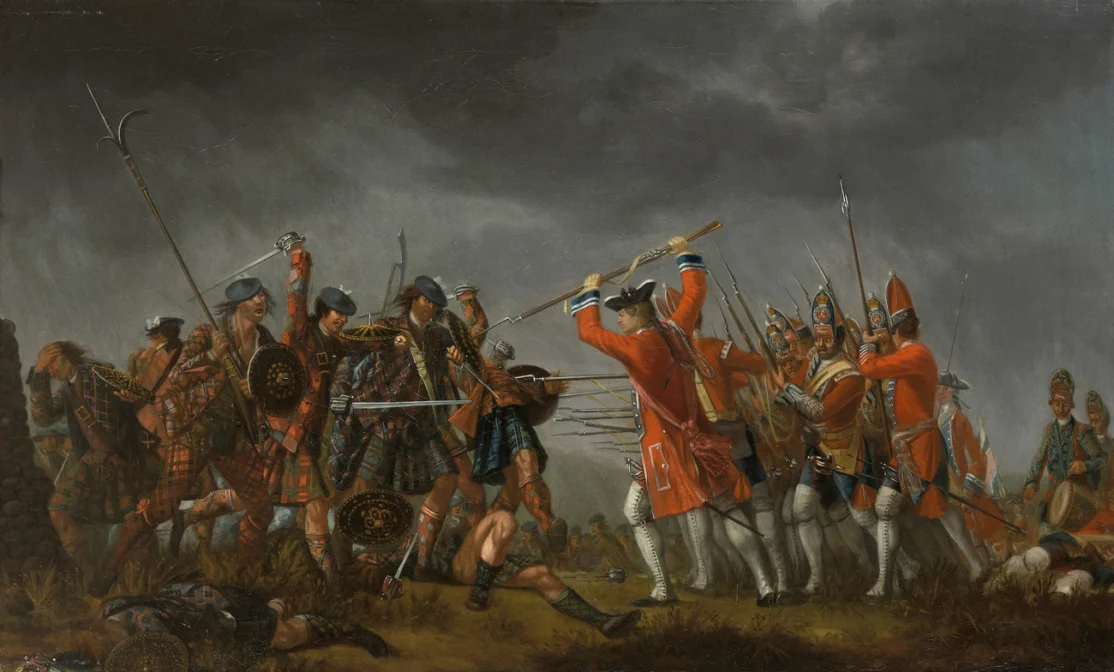
Image Source: Wikipedia, the free encyclopaedia
What a turning point this was! The Jacobite risings carved a pivotal chapter into Inverness Scotland’s story, changing the Highland capital’s destiny forever.
Why the Jacobites rose up
Picture this: deep-seated political, religious and cultural wounds tearing Britain apart in the early 18th century. At the heart of it all? The explosive question of who should wear the crown following the Glorious Revolution of 1688. Catholic King James II had been booted out in favour of the Protestant Hanoverian dynasty, and boy, did that stir up trouble!
The Scottish Highlands especially seethed with discontent. Loyalists to the exiled Stuart monarchy weren’t about to give up without a fight.
Culloden Moor and the fall of the cause
16th April 1746. A date that changed everything.
The bleak moorland of Culloden, just east of Inverness, became the stage for one of history’s most devastating confrontations. The Duke of Cumberland’s well-equipped government forces unleashed hell through devastating artillery fire upon Bonnie Prince Charlie’s exhausted Jacobites. These brave Highland warriors had marched through the night on a failed ambush attempt – they were already beaten before the battle began.
Less than an hour. That’s all it took! Jacobite casualties reached between 1,500-2,000 killed or wounded whilst government forces lost merely 50 souls. The aftermath? Absolute brutality. Cumberland’s troops earned their commander the chilling nickname “The Butcher” through their savage treatment of survivors and wounded Highlanders.
The destruction and rebuilding of Inverness Castle
Talk about a game of castle musical chairs! Throughout the Jacobite era, Inverness Castle changed hands more times than you could count. The Jacobites grabbed it in 1715, and it got beefed up and renamed Fort George.
Then came 1746. Bonnie Prince Charlie seized the castle and—knowing exactly how valuable it was—ordered the whole thing blown to smithereens using explosives. Strategic thinking at its most dramatic!
The current castle structure? That didn’t rise from the ruins until 1836, serving as both courthouse and prison. A completely fresh chapter in the castle’s remarkable story.
Legends and Legacy: Inverness Today
Image Source: Great Scenic Journeys
“The Prince highly appreciated the good-breeding, simplicity, and intelligence which make it so pleasant, and even instructive to talk to them.” — Queen Victoria, Queen of the United Kingdom of Great Britain and Ireland (1837-1901)
What a remarkable story comes full circle! Modern-day Inverness stands proudly as a vibrant hub where traditional Scottish culture absolutely thrives. Today, this Highland gem serves as your perfect gateway to the magnificent Scottish Highlands, drawing visitors from every corner of the globe.
What makes Inverness special today?
The legendary Loch Ness sits just half an hour away by bus, making monster-spotting incredibly accessible for curious visitors! But there’s so much more to discover. The Inverness Museum and Art Gallery tells the complete Highland story from ancient origins to modern times. Wildlife lovers, you’re in for a treat—Chanonry Point offers some of Scotland’s best dolphin watching opportunities.
Nessie’s enduring mystery and modern sightings
Here’s where legend meets reality! The Loch Ness Monster tale stretches right back to St. Columba’s time in 565 AD when he reportedly saved someone from the beast. The modern obsession began in 1933 when The Inverness Courier published Aldie Mackay’s dramatic sighting of a “whale-like creature”. Gary Campbell, our dedicated keeper of Nessie sightings, receives approximately 10 reports annually—the mystery lives on!
The castle’s exciting future
Prepare for something spectacular! The historic castle is getting a stunning £36 million makeover to become a world-class visitor attraction. Opening summer 2025, it’ll feature the beautiful Highland tradition of the Seanchaidh (storyteller). The redevelopment cleverly connects the former courthouse and prison buildings with a brand new restaurant area.
Highland culture at its finest
The Inverness Highland Games in July represent the largest celebration of its kind worldwide! These magnificent games showcase authentic Scottish traditions through thrilling competitions and breathtaking cultural performances.
Surprising Inverness facts worth knowing
Shakespeare chose Inverness Castle as the dramatic setting where Macbeth murdered King Duncan—literary fame indeed! The city proudly maintains international friendships, twinned with Augsburg in Germany, plus La Baule and Saint-Valery-en-Caux in France.
From ancient Pictish kingdoms to today’s bustling Highland capital, Inverness continues weaving its magical story with every passing season.
Conclusion
What a story Inverness tells! This Highland capital truly stands as Scotland’s most captivating historical gem, where every cobblestone whispers tales of ancient kings, fierce battles, and remarkable resilience. From those early Pictish settlements to today’s vibrant city, Inverness has weathered centuries of change whilst keeping its Highland heart beating strong.
The castle’s story alone—destroyed and rebuilt time after time—perfectly captures the unbreakable Highland spirit. Each invasion, each political upheaval, each dramatic chapter has only added more character to this extraordinary place. St. Columba’s sacred mission, the devastation of Culloden, the royal charters and clan conflicts—they’ve all woven together to create something truly special.
Here’s what makes Inverness so magical today: despite all those bloody conflicts and turbulent times, it now welcomes visitors from every corner of the world! Whether you’re chasing Nessie legends, planning to explore the castle’s grand reopening in 2025, or wanting to experience those world-famous Highland Games, this compact yet culturally rich city offers something wonderful for everyone.
Picture yourself wandering along the River Ness banks or gazing up at those impressive sandstone walls. You’re walking in the footsteps of Pictish kings and Jacobite heroes! Every street corner holds stories, every building echoes with history. Inverness isn’t just a museum piece—it’s a living, breathing celebration of Scottish heritage where the past dances beautifully with the present.
Ready to become part of Inverness’s continuing story? This Highland jewel awaits your discovery! 🏴
Key Takeaways
Discover the fascinating journey of Scotland’s Highland capital, from ancient Pictish settlements to its modern renaissance as a world-class destination.
• Inverness boasts 8,500 years of continuous habitation, with archaeological evidence revealing sophisticated Bronze Age settlements and skilled Pictish craftspeople who dominated the region for 600 years.
• The city’s strategic importance led to its castle being captured 14 times between 1163-1500, culminating in the devastating Battle of Culloden in 1746 that ended Highland clan culture forever.
• St. Columba’s conversion of Pictish King Brude around 565 AD established Inverness as the cradle of Christianity in northern Scotland, shaping its spiritual heritage.
• Despite its ancient roots, Inverness only gained official city status in 2000, yet today serves as the gateway to the Scottish Highlands and home to the world’s largest Highland Games.
• The historic castle is undergoing a £36 million transformation, reopening in 2025 as a world-class visitor attraction that will bring Highland storytelling traditions to life for modern audiences.
From Pictish symbol stones to Jacobite battlefields, Inverness remains a living testament to Scotland’s resilience, where every cobblestone tells a story of triumph, tragedy, and cultural continuity spanning millennia.
FAQs
Q1. What is the historical significance of Inverness Castle? Inverness Castle has played a crucial role in Scottish history for nearly a millennium. The first stone castle was built by King David I in the 12th century. Throughout the centuries, it changed hands multiple times during various conflicts, including the Jacobite risings. The current structure, dating from 1836, now serves as a courthouse and is undergoing a £36 million transformation to become a world-class visitor attraction.
Q2. How old is the city of Inverness? While Inverness has been continuously inhabited for over 8,500 years, with evidence of settlements dating back to 6500 BCE, it only officially gained city status in 2000 during the UK’s millennium celebrations. However, it has been a significant settlement since mediaeval times, receiving its first royal charter in the 12th century.
Q3. What role did Inverness play in the Jacobite risings? Inverness was a key location during the Jacobite risings of the 18th century. The city and its castle changed hands several times between government forces and Jacobite rebels. The decisive Battle of Culloden in 1746, which ended the Jacobite cause, took place just east of Inverness. Following this battle, the Jacobites destroyed Inverness Castle to prevent its use by government forces.
Q4. What are some unique cultural events in Inverness? The Inverness Highland Games, held annually in July, is the largest event of its kind worldwide. It celebrates Scottish traditions through various competitions and cultural performances. The city also hosts numerous other events throughout the year that showcase Highland culture, music, and heritage.
Q5. What ancient civilisations inhabited the Inverness area? Before Inverness became a city, the area was home to various ancient civilisations. Archaeological evidence shows Bronze Age and Iron Age settlements dating back 2,000-3,000 years. The Picts, known for their mysterious carved stones and symbols, dominated the region for about 600 years from around 400 AD. Their legacy can be explored at the Inverness Museum, which houses an important collection of Pictish artefacts.