01463 223243
 Find
Find Book
Book


A brief audio overview of this article. Read on for the full details below.
Explore the Jacobite Rebellion: A Traveller’s Guide to Scotland’s Rich History
Imagine standing on the windswept moors of the Scottish Highlands, where echoes of history resonate deeply. The Scottish Highlands were the stage for some of the most dramatic and consequential events in British history, particularly the Jacobite uprisings. If you are a history buff or an avid Outlander fan, exploring sites like the storied Culloden battlefield and the picturesque Glenfinnan Monument will undoubtedly ignite your passion for Scotland’s vibrant past. This travel guide will take you on an unforgettable journey through the key locations that shaped Jacobite history, with practical tips to make the most of your experience. So pack your bags, fill up your tank, and get ready to delve into the rich narrative of Bonnie Prince Charlie and the quest to restore the Stewart monarchy. Let’s immerse ourselves in the tales of bravery, loss, and cultural resurgence.
Quick Answer
Jacobite history in Scotland encompasses the uprisings aimed at restoring the Stuart monarchy, with significant sites including the Culloden battlefield, Glenfinnan Monument, and more across the Highlands.
1. Culloden Battlefield: The Last Stand
The Battle of Culloden, fought on 16 April 1746, marks the poignant climax of the Jacobite uprisings. The battlefield is not merely a historical site; it is a sacred landscape filled with the tales of valor and tragedy. As you walk this hallowed ground, you’ll find it hauntingly beautiful, framed by the rugged Highland scenery. The Culloden Battlefield Visitor Centre provides an immersive experience with exhibitions detailing the conflict’s events.
- Graves of the Clans: Visit the cemetery that houses the marked graves of fallen Jacobite soldiers, which adds a personal touch to the battlefield experience.
- Interpretation Panels: Several panels throughout the grounds offer insightful narratives about the battle and its aftermath, including the significance of the Jacobite cause.


Culloden is remembered not only as a battle site but as a landscape of loss and consequence for the Highlands.
— National Trust for Scotland interpretation of Culloden Battlefield
2. Glenfinnan Monument: The Call to Arms
Standing proudly on the shores of Loch Shiel, the Glenfinnan Monument is a must-see on your Jacobite journey. Here, on 19 August 1745, Charles Edward Stuart famously raised his standard, signalling the beginning of the Jacobite uprising 1745. The striking monument not only marks a historical moment but also provides breathtaking views of the surrounding landscape, a feature beloved by photographers and Outlander fans alike.
- Scenic Views: From the monument, gaze across Loch Shiel toward the majestic mountains that form the backdrop of this historic site.
- Visitor Centre: An informative centre nearby elaborates on Glenfinnan’s role in the uprising, enriching your understanding of the Jacobite cause.


Many key Jacobite sites are spread across the Highlands, so consider planning for a multi-day trip rather than trying to cover them all in one day.
3. Ruthven Barracks: Echoes of Occupation
Ruthven Barracks stands as one of the best-preserved remnants of the Hanoverian fortifications following the Jacobite risings. Located near Kingussie, these impressive ruins evoke the atmosphere of a bygone era, showcasing the military might of the government in the wake of suppression. As you explore, contemplate the sheer strategic significance of this location during and after the Jacobite conflicts.
- Historic Architecture: The barracks boast strong masonry work that hints at the austere life of soldiers stationed here.
- Your Journey: With guided tours available, you’ll gain deeper insights into the site’s importance during the Hanoverian consolidation of power.


The Jacobite risings were about dynastic succession, but also about state power, military change, and the transformation of the Highlands.
— Murray Pittock, Professor of Literature and Scottish History
4. Fort William: The Stronghold
Fort William, situated at the foot of Ben Nevis, serves as a crucial link to understanding Jacobite history. Originally established as a Hanoverian stronghold in 1690, its strategic position meant it was a pivotal military base during the Jacobite campaigns. Visiting Fort William enables you to appreciate the geographic context of power dynamics during this tumultuous period.
- Visitor Attractions: Besides its historical significance, Fort William offers adventure tourism with access to hiking and biking trails, making it a perfect stop for outdoor enthusiasts.
- Jacobite Steam Train: Don’t miss the chance to board the iconic Jacobite steam train, which operates a scenic route to Mallaig — a breathtaking trip of 84 miles.
5. Cluny’s Cage: The Hiding Spot
A dramatic piece of Jacobite lore, Cluny’s Cage on Ben Alder is where Eòin MacPherson, known as ‘Cluny,’ sheltered Bonnie Prince Charlie after the devastating defeat at Culloden. This hidden spot offers a glimpse into the clandestine escape routes used by the Jacobites and allows visitors to explore the rugged Scottish landscape that played a crucial role in the uprising’s aftermath.
- Access Challenge: Reaching Cluny’s Cage requires a hike, providing an immersive experience tied closely to the Jacobite story.
- Atmospheric Ruin: This site encapsulates the tension and danger surrounding the Jacobites during their fight for the crown.

6. Holyroodhouse Palace: A Royal Connection
In the heart of Edinburgh lies the Palace of Holyroodhouse, the official residence of the monarch in Scotland. During his 1745 campaign, Bonnie Prince Charlie stayed here, making it a site of royal significance linked to the Jacobite history of Scotland. The palace breathes stories of Scottish history and royal lineage, showcasing a different, more political angle of the Jacobite narrative.
- Guided Tours: Tours of the palace reveal treasures such as state apartments and the Great Gallery, enriching your understanding of the ties between the monarchy and the uprisings.
- Visiting Time Frame: Check the events and exhibitions to enhance your visit; summer is particularly bustling with historical reenactments.

7. Edinburgh Castle: The Haneoverian Fortress
Perched atop Castle Rock, Edinburgh Castle is a must-visit landmark representing the crux of Scottish power. Its storied walls tell tales of battles fought and the Hanoverian resistance against the Jacobite cause. The view from above offers a spectacular view of the city and serves as a reminder of the powerful forces that shaped Scotland’s history.
- Sound and Light Show: Attend the evening sound and light show during summer months for a unique experience that brings the castle’s history to life.
- Visitor Facilities: The castle is equipped with comprehensive visitor facilities including cafes and gift shops to take home a piece of history.

8. Inverness: Gateway to the Highlands
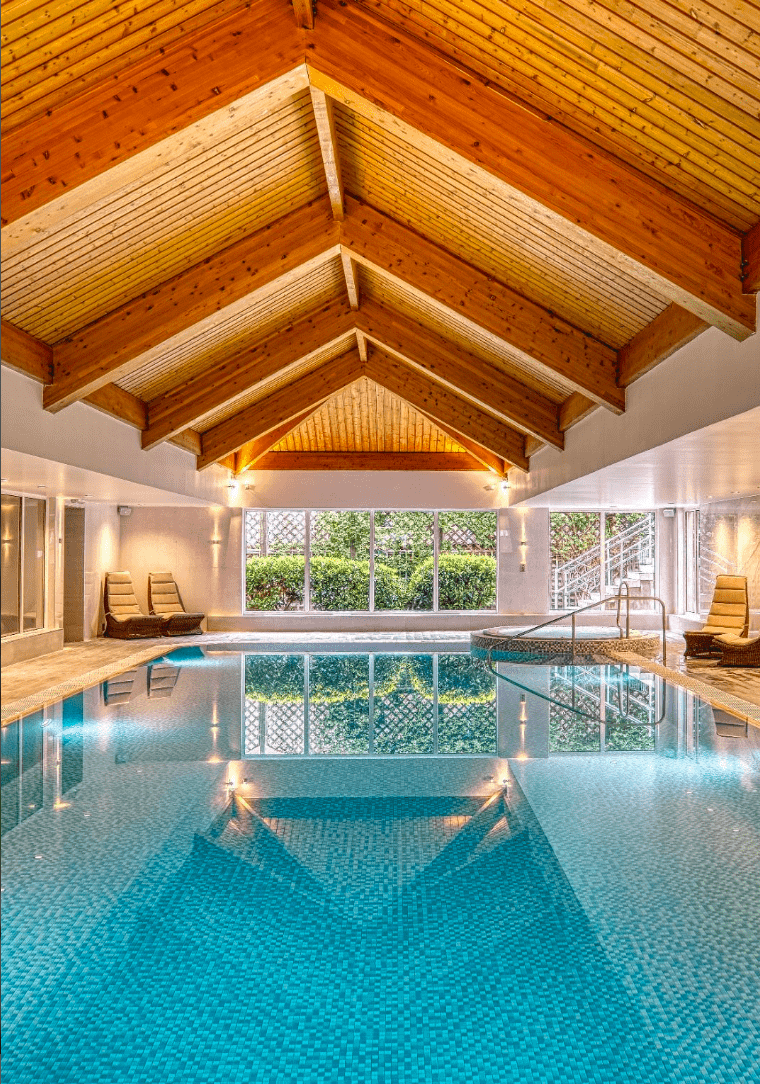
As the historic capital of the Highlands, Inverness serves as your gateway to numerous Jacobite sites. Its vibrant atmosphere and rich history, combined with the breathtaking River Ness views, make it an attractive base for exploring. Staying at the Inverness Palace Hotel places you in a prime location with free parking, EV charging, and a leisure club perfect for unwinding after a day of exploration.
- Practical Location: It’s just 8 miles from Culloden Battlefield, allowing easy access to pivotal sites of Jacobite history.
- Dining Options: The hotel’s Eight on the River restaurant offers a delightful menu, inspired by local produce, to replenish your energy after a busy day of sightseeing.
Key Jacobite Sites Overview
| Site Name | Significance | Location |
|---|---|---|
| Culloden Battlefield | Final battle of the Jacobite uprising | Near Inverness |
| Glenfinnan Monument | Raising of the Jacobite standard | West Highlands |
| Ruthven Barracks | Military stronghold post-uprising | Kingussie |
| Fort William | Strategic military base | Fort William |
| Cluny’s Cage | Hideout for Bonnie Prince Charlie | Ben Alder |
| Palace of Holyroodhouse | Royal connection to the uprising | Edinburgh |
| Edinburgh Castle | Fortress of the Hanoverian power | Edinburgh |
| Inverness | Gateway to Jacobite sites | Highlands |
Frequently Asked Questions
What were the main causes of the Jacobite uprising?
The Jacobite uprisings were primarily driven by the desire to restore the Stuart monarchy to the British throne. Discontent with the ruling Hanoverian dynasty, particularly after the Glorious Revolution in 1688, fueled support among various Scottish clans seeking to reclaim the perceived rightful rulers.
How long did the Battle of Culloden last?
The Battle of Culloden, fought on April 16, 1746, was fought in less than an hour. Despite its brevity, it marked the end of the Jacobite hopes of restoring the Stuart line to the throne, resulting in devastating consequences for the Highlands.
Are there guided tours available for Jacobite sites?
Yes, numerous guided tours focusing on Jacobite history are available, especially around key sites like Culloden and Glenfinnan. These tours often include transportation from Inverness, expert guides, and may combine visits with cultural insights about the Highland clans.
Can I drive to all Jacobite sites in one day?
While it is technically possible to visit several significant Jacobite sites in one day, it is not advisable due to the distances involved and the time needed to fully appreciate each location. A multi-day itinerary is recommended for a more enriching experience.
Is the Jacobite steam train ride worth it?
Absolutely! The Jacobite steam train from Fort William to Mallaig is renowned for its stunning scenery, often regarded as one of the best rail journeys in the world. The journey offers fantastic views of the Highland landscape, including the famous Glenfinnan Viaduct.
Follow the Jacobite Trail from Inverness
Inverness Palace Hotel is 8 miles from Culloden Battlefield — the ideal base for a Jacobite history tour of the Highlands.
Book a History BreakSources
- National Trust for Scotland – Culloden Battlefield — Primary visitor information and historical interpretation for the battlefield.
- Historic Environment Scotland – Glenfinnan Monument — History of the standard-raising site and practical visit details.
- Historic Environment Scotland – Ruthven Barracks — Background on the Hanoverian barracks and their role after the Jacobite risings.
- Historic Environment Scotland – Edinburgh Castle — Context for royal and military power in the Jacobite period.
- Historic Environment Scotland – Palace of Holyroodhouse — Charles Edward Stuart’s Edinburgh residence during the 1745 campaign.
- West Coast Railways – The Jacobite — Seasonal steam-hauled service details for the Fort William–Mallaig route.
- VisitScotland – Jacobite sites and trails — Visitor-oriented framing of Jacobite places.
- National Museums Scotland – Jacobite collections — Material culture, weapons, and artefacts that help interpret the rebellion.
Final Thoughts
Scotland’s Jacobite history is both rich and complex, providing visitors with stories of courage, loyalty, and heartache. As you traverse through these remarkable landscapes, each site unraveling layer upon layer of a past filled with both valor and sacrifice, let your journey shape your understanding of this beautiful nation. The stories of the Jacobites echo in today’s cultural tapestry — a reminder of their indomitable spirit.