01463 223243
 Find
Find Book
Book


A brief audio overview of this article. Read on for the full details below.
The Highland Clearances: Unveiling Scotland’s Painful Legacy
Imagine the rolling hills of the Scottish Highlands, once vibrant with community life, now eerily silent but for the whispering winds. The Highland Clearances represent one of Scotland’s most heart-wrenching chapters. Between the mid-18th and early 19th centuries, countless families were uprooted from their ancestral homes. This morning, as you sip tea at the Inverness Palace Hotel, you might feel the profound history resting in the air around you. From the hotel’s picturesque riverside vantage, it’s easy to ponder the path of many displaced peoples who undertook journeys to far-off shores in search of a better life. Join me as we delve into the Highland Clearances, exploring its history, impact, and significant heritage sites that still tell the story today.
Quick Answer
The Highland Clearances refer to a period of forced emigration from the Scottish Highlands during the 18th and early 19th centuries, where communities were uprooted to make way for agricultural reforms, significantly impacting Scottish history and culture.
1. The Chronology of the Highland Clearances
The Highland Clearances unfolded over a century, predominantly between 1750 and 1860, marking the displacement of communities across the Scottish Highlands. Initially, landlords sought to maximise profits from their lands, leading to a systematic eviction of tenants. Scoot through this turbulent timeline, where each phase tells a story of hardship, resolution, and resilience. The processes triggered significant demographic shifts and established pathways that would later lead many Scots to seek new lives overseas.
- 1750-1770: The beginnings of clearances, often starting with smaller estates that refused to renew leases for tenants who couldn’t pay rents.
- 1770-1800: The process expanded; landowners began to adopt sheep farming, seeing more profits in livestock than in tenant farming.
- 1800-1860: Intensified forced evictions and the establishment of sheep farming as an industrial practice altered the Highland landscapes forever.

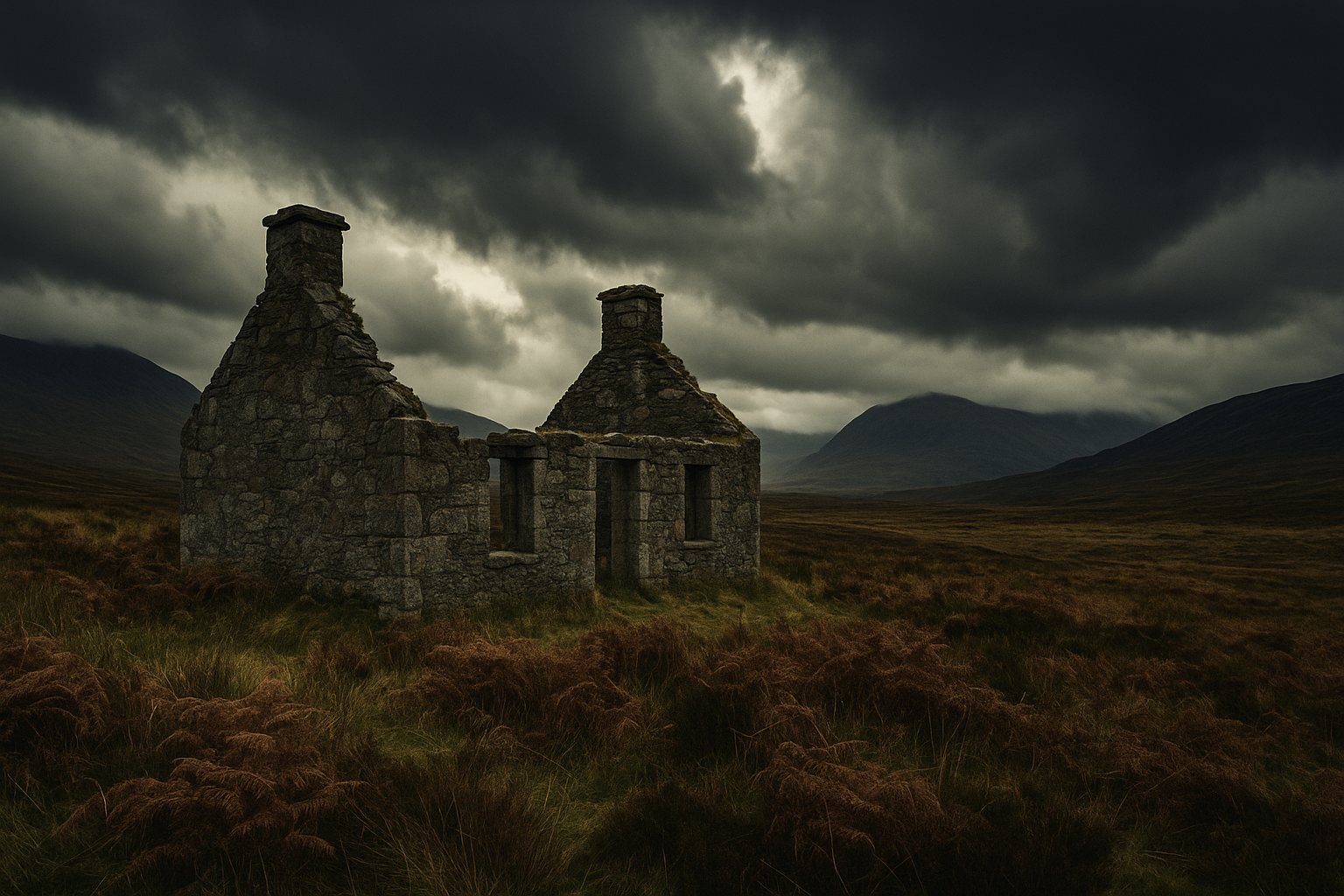
2. Causes: Land Reform and Agricultural Changes
The Highland Clearances weren’t born of a single cause but rather an amalgamation of socio-economic factors. The feudal system of landownership saw land concentrated in the hands of a few landlords, while tenants struggled to maintain traditional crofting lifestyles. The shift towards agricultural reform, prioritising sheep farming over subsistence farming, accelerated the displacement of Highland communities. As wool prices climbed in the late 18th century, landlords seized the opportunity to clear lands and transform their estates.
- Rapid Industrialisation: The demand for wool surged as Glasgow and other cities industrialised, changing the agricultural landscape.
- Tax Laws: New taxation imposed on traditional farming practices pressured tenants and landlords alike to adapt, often at the tenants’ cost.
- Landlord Ambitions: Many landlords sought to modernise their estates, showcasing their wealth through improved agricultural outputs.

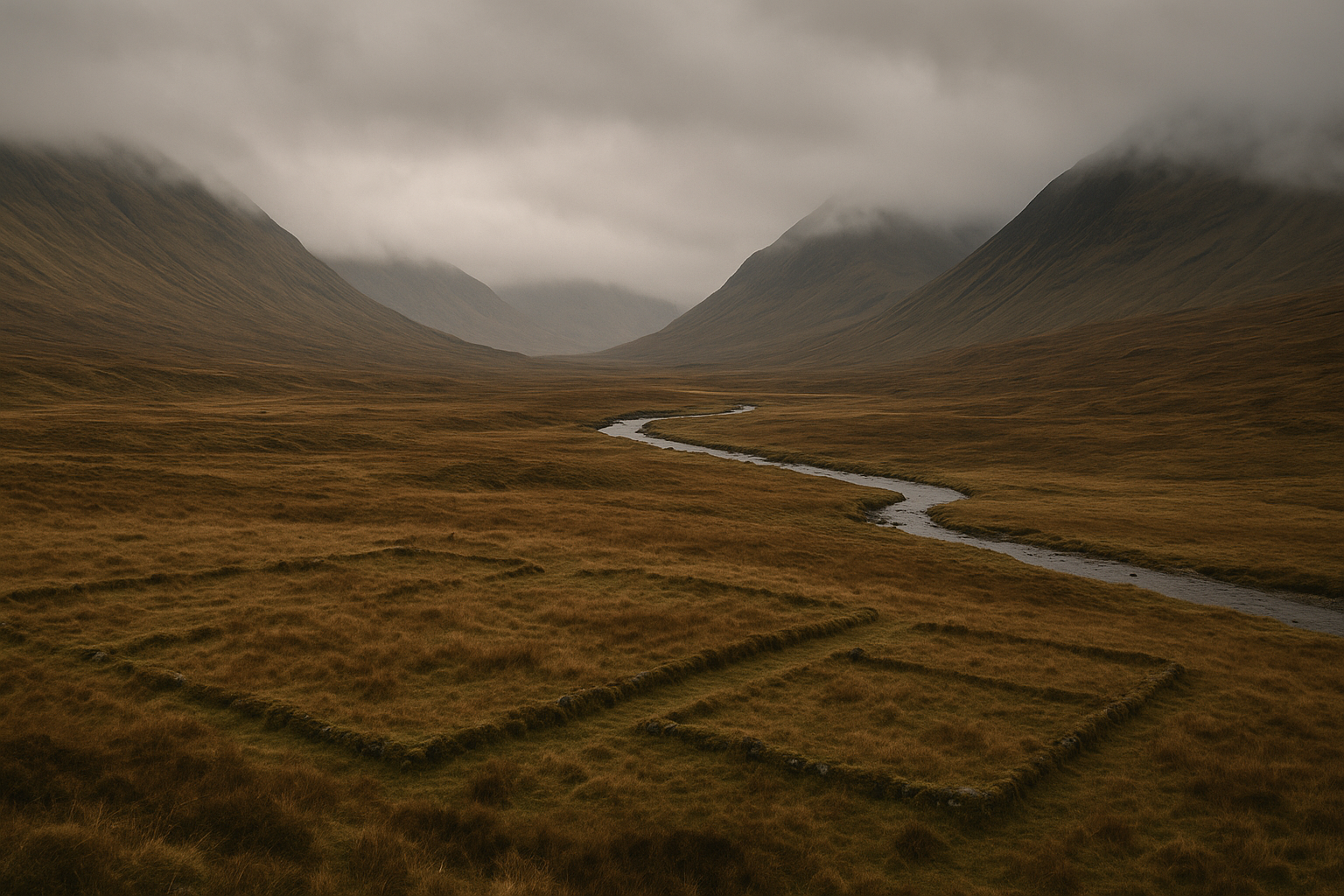
Visiting heritage sites allows you to connect with the profound history of the Highland Clearances.
3. Evictions: Methods and Impact
Evictions during the Highland Clearances were often brutal. Families were given little warning and even less compassion from landlords. The traditional method involved notices served requiring tenants to leave, sometimes accompanied by physical eviction. Burns and rioting became common responses to displacements, with communities standing firm against the injustices they faced. This period not only scarred the landscape but also deeply impacted Highland heritage.
- Protests: Small-scale uprisings highlighted the resistance of the Highland people, often through peaceful protests or vocal expressions.
- Forced Labour: Displaced people sometimes faced forced labour in shipbuilding and other burgeoning industries as they were uprooted.
- Emotional Toll: The psychological impact on families, resulting in generational trauma, cannot be overlooked.


4. Emigration: A New Life Overseas
The Highland Clearances instigated one of the most significant waves of emigration from Scotland. Many families, forced from their homes, sought new opportunities in North America, Australia, and New Zealand. This vast Scottish diaspora transformed communities across the globe, creating connections that still resonate today. Each of these new homes told stories of resilience and adaptation, as Scots brought their rich culture and traditions with them, often in difficult circumstances.
- Canada: A prime destination for Highlands emigrants, the promise of land and prospects attracted thousands.
- Australia: The development of its wool industry became an appealing opportunity for many Highland families.
- United States: Cities like Boston and New York became hubs for Scottish immigrants, shaping the cultural landscape.

Recognising the challenges faced encourages appreciation for the culture reborn from hardship.
5. Heritage Sites: Discovering the Past
Visiting heritage sites related to the Highland Clearances can be a deeply moving experience. These locales serve as gateways into the past, rich with stories of struggle and resilience. A visit to the Strathnaver Museum provides insightful context on the Clearances, showcasing artifacts and historical documents. The Scottish Highlands were emptied of their communities between 1750 and 1860 in one of history’s most painful forced migrations, intertwining personal narratives with Scotland’s broader history. Other sites throughout Sutherland commemorate this struggle, reminding visitors of their enduring significance.
- Strathnaver Museum: Offers exhibitions centred around the evictions, personal narratives, and artifacts preserved from the era.
- Cnoc a’ Chluain: A clearing site that reflects historical eviction echoes in the area.
- Balblair Croft: Significant for understanding traditional Highland life that was lost.


6. Memory and Memorialisation
The memory of the Highland Clearances still weaves through Scotland’s cultural fabric, influencing literature, music, and oral traditions. Many families commemorate their heritage through storytelling, music reigniting the spirit of their ancestors’ struggles. Events and gatherings remember those who suffered but also celebrate their resilience. Memorials and monuments across the Highlands serve a dual purpose: to honour the past while educating new generations about this pivotal moment in Scottish history.
- Folklore: Songs and stories of the Clearances have been passed down, creating a rich oral tradition.
- Public Memorials: Statues and plaques in various communities serve to remind locals and visitors of tragic events.
- Literature: Books detailing the Clearances continue to surface, keeping history alive through narratives written from diverse perspectives.


Many modern Scots carry stories of their ancestors’ journeys to distant shores — learn about these connections.
7. Planning a Roots Trip to the Highlands
If you’re looking to retrace your family’s roots, starting in Inverness is an excellent choice. This charming city serves as an ideal base for exploring the broader Highland region and sites of significance related to the Clearances. From the Inverness Palace Hotel, you can set off on day trips to various heritage sites and the stunning natural landscapes that once cradled communities. Whether you’re interested in your family history or simply want to understand the Highland legacy, the city provides ample opportunities to dive deep into this transformative period. Don’t forget to relax in the hotel’s leisure club after your adventures — it’s a perfect retreat.
- Local Guides: Hire a guide who specializes in Highland heritage to take you through significant locations.
- Genealogy Research: Utilize local resources that connect you with your roots and guide you toward records of your ancestors.
- Explore Further: Venture out to nearby areas like Sutherland and Caithness to witness sites impacted by the Clearances.

Key Heritage Sites Related to the Highland Clearances
| Heritage Site | Location | Significance |
|---|---|---|
| Strathnaver Museum | Sutherland | Exhibits detailing the Clearances and local artefacts. |
| Cnoc a’ Chluain | Caithness | Site marking the Clearances with memorials. |
| Balblair Croft | Easter Ross | Reflects traditional crofting lifestyle lost during the Clearances. |
Frequently Asked Questions
What are the Highland Clearances?
The Highland Clearances refer to a period between the 1750s and the 1860s when many Highland Scots were forcibly removed from their land to make way for sheep farming and other agricultural reform. This upheaval led to significant emigration as families sought new lives elsewhere.
Which are the best sites to visit for Highland Clearances history?
Key heritage sites include the Strathnaver Museum, which offers insights into the Clearances, as well as various cairns and memorials scattered throughout the Highlands. Exploring these locations will provide a greater understanding of this impactful period.
How did the Clearances impact Scottish culture?
The Highland Clearances resulted in a significant diaspora, leading to a rich cultural exchange. Many Scots passed down stories, songs, and traditions that honour their ancestors’ resilience, and this continues to enrich Scottish cultural identity today.
Is there genealogy support for those tracing roots in the Highlands?
Yes, many local resources exist to assist in genealogy research related to the Highland Clearances. Libraries, historical societies, and even online databases offer valuable information to help you uncover your ancestry.
Why should I stay in Inverness while exploring this history?
Inverness serves as a perfect hub for heritage tourism with its proximity to key sites of the Clearances. Staying at the vibrant Inverness Palace Hotel ensures comfort and easy access to exploration, alongside its stunning riverside views and leisure facilities.
Trace Your Highland Roots from Inverness
Inverness Palace Hotel is the ideal base for a Clearances heritage tour — well-placed for Sutherland, Caithness and Black Isle sites.
Book a Multi-Night StayFinal Thoughts
As you delve into the stories of the Highland Clearances, you unearth not just the pain of the past but the enduring spirit of resilience found in every Highlander. The landscapes of the Highlands, dotted with memorials and rich with stories, invite you to reflect and honour those who came before. Now is the time to walk these paths and discover your connections. The journey is not solely historical; it’s personal, offering profound insights into the fabric of our shared heritage.