01463 223243
 Find
Find Book
Book


A brief audio overview of this article. Read on for the full details below.
Discover the Best Time to Visit the Scottish Highlands: A Seasonal Guide
Imagine standing atop a rugged peak, the sun casting a warm glow over rolling hills and shimmering lochs, while the sweet scent of wild heather fills the air. The Scottish Highlands are a treasure trove of stunning landscapes and vibrant wildlife, waiting to be explored in every season. Whether you’re drawn to the lush greens of spring, the bustling vibrant summer days, the vibrant autumn hues, or the serene winter magic, this guide will help you discover the best time to visit the Scottish Highlands for your adventure. With so much to see and do, understanding the unique charm each season offers will help you make the most out of your journey. Not to mention, the welcoming hospitality at the Inverness Palace Hotel, situated beautifully by the River Ness, makes it an ideal base for your Highland escapade. Let’s dive into each season and uncover the experiences that await you!
Quick Answer
The best time to visit the Scottish Highlands varies by preference, but late spring (May to early June) and early autumn (September) generally offer the best balance of good weather and fewer crowds.
1. Late Spring in the Scottish Highlands (May to early June)
Late spring is truly a magical time to explore the Scottish Highlands. The landscape begins to awaken, with vibrant wildflowers blooming across the glens. This period boasts longer daylight hours and mild temperatures, often ranging from 10°C to 15°C, ideal for outdoor pursuits. Crowds are still manageable compared to peak summer, allowing you to relish the serene beauty without feeling rushed. Popular spots, such as Inverness and Isle of Skye, invite you for exploration, where you can experience stunning drives and breathtaking views.
- Wildflower Trails: The floral displays create picturesque hikes, particularly on trails around Cairngorms National Park.
- Wildlife Watching: You might catch a glimpse of nesting birds and newborn lambs during this vibrant period.
- Photography Opportunities: Early morning and late evening light offers dramatic backdrops for stunning photographs.


The Scottish Highlands are at their most accessible and comfortable for most visitors in the shoulder months, when daylight is good and crowds are lighter.
— Interpretive synthesis based on VisitScotland seasonal travel guidance
2. Peak Summer Travel in the Scottish Highlands (July to August)
Summer in the Highlands brings longer days, with up to 18 hours of daylight, perfect for adventure seekers and explorers. However, this time also marks the peak season for visitors, especially in popular areas like the North Coast 500 and Isle of Skye. Crowds can be notably heavier during July and August, making advance bookings for accommodation essential to secure your spot. While the weather can be changeable, average temperatures range from 15°C to 20°C, so you might enjoy plenty of sunshine, but also need to be prepared for rain.
- Outdoor Festivals: Various local festivals and events take place, celebrating Highland culture – from music to traditional cuisine.
- Hiking and Munro Bagging: The warmer weather opens up many trails, making hikes to iconic Munros a popular summer pastime.
- Water Sports: Lakes and rivers welcome adventurers with kayaking and paddleboarding opportunities.


Each season in the Highlands offers unique experiences; therefore, planning your visit around your interests is key. Consider weather patterns, wildlife, and crowds when making your travel decisions.
3. Early Autumn in the Scottish Highlands (September to October)
As summer fades, early autumn presents a vibrant tapestry of colours in the Highlands. This period offers a balance of pleasant weather and fewer crowds, making it a favourite time for those wishing to soak in the breathtaking landscapes. Average temperatures hover around 10°C to 15°C, with a lovely crispness in the air. October is especially beautiful as the leaves turn to fiery reds and golds, creating stunning backdrops for your outdoor explorations. The Scottish Highlands look different every month of the year, and the transition into autumn is nothing short of spectacular.
- Deer Rutting Season: September sees the majestic red deer in rut, creating a unique wildlife watching experience.
- Scenic Drives: Journey through colourful glens and witness the stunning landscapes transform.
- Harvest Festivals: Local produce and whisky festivals celebrate the autumn bounty, allowing you to taste the season’s best.


Winter delivers the Highlands’ most dramatic scenery, but it also demands flexible plans and careful driving.
— Interpretive synthesis based on Transport Scotland and Met Office travel advice
4. Winter Travel in the Scottish Highlands (November to February)
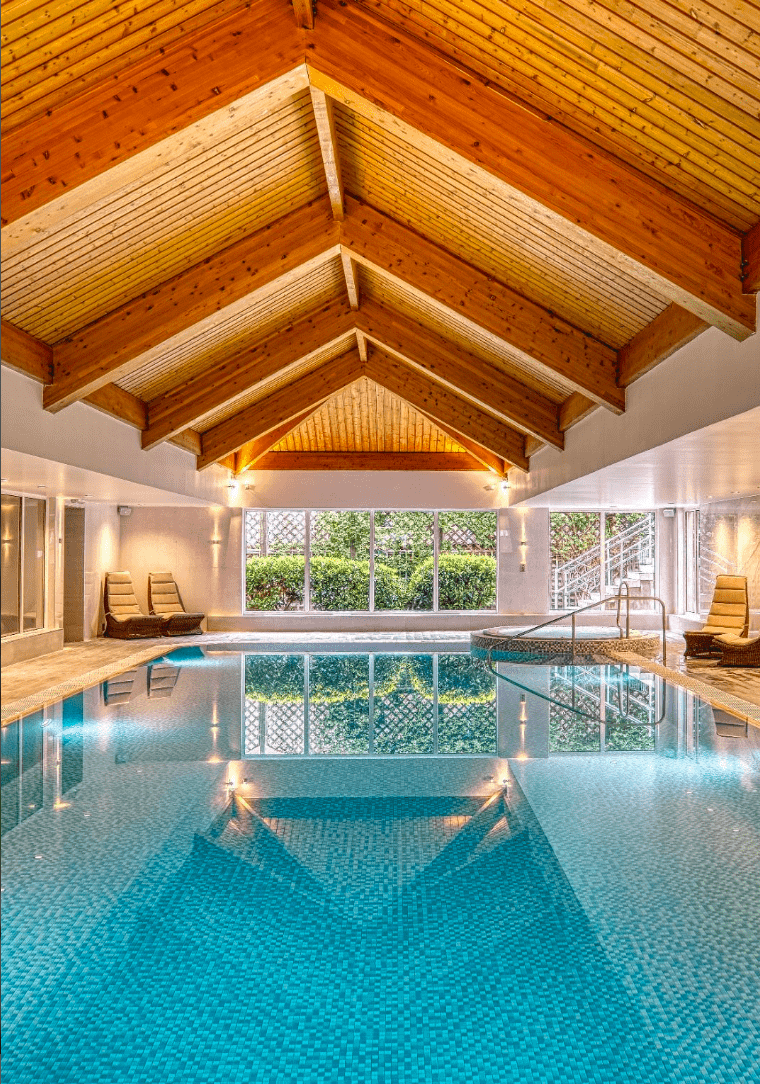
Winter in the Scottish Highlands offers a beautiful stillness, as the snow blankets the landscape and transforms the area into a winter wonderland. While shorter days—averaging only 6-8 hours of daylight—may restrict sightseeing time, the dramatic scenery is worth every moment. Visiting during this time means fewer crowds, allowing you to experience quiet solitude amidst the stunning panoramas. It’s essential to plan for winter conditions; well-prepared gear and accommodation are critical. A spa hotel in the Scottish Highlands is especially welcome after a winter walk, allowing you to unwind and rejuvenate.
- Winter Sports: For those seeking adventure, ski resorts in Cairngorms and Glenshee offer skiing and snowboarding options.
- Quiet Landscapes: The dramatic winter scenery provides excellent photography and wildlife spotting opportunities.
- New Year’s Celebrations: Experience the warmth of Scottish hospitality with local seasonal festivities and celebrations.


Highland weather can be unpredictable; building flexibility into your travel plans is essential. Always check local conditions and route options.
5. Spring Weather Patterns and Visibility in the Highlands
Spring brings a refreshing change to the Highlands, with rapidly shifting weather patterns creating an ‘all seasons in one day’ phenomenon. Often characterised by cool mornings and mild afternoons, it’s important to pack layers to adapt to changing conditions. Expect daily highs of 10°C to 15°C, but be prepared for chilly winds and occasional rain. In this season, the visibility can be astonishing, especially in the early mornings or after a fresh snowfall, offering particularly rewarding views of the Highland peaks. This becomes an excellent time for those interested in photography or simply soaking in the highland scenery in a serene environment.
- Pack Accordingly: Waterproof layers and sturdy footwear are essential.
- Catch the Sun: Early mornings often serve the best opportunities for stunning sunrise photography.
- Wildlife Spotting: Look for early signs of spring wildlife such as buzzards and migrating birds.

For a first Highland trip, late spring or early autumn is usually the best compromise between weather, daylight, and crowd levels.
— Interpretive synthesis based on regional tourism guidance
6. Summer Daylight, Hiking Access, and Long-Route Road Trips
Summertime is synonymous with extended daylight hours, allowing for an abundance of outdoor activities in the breathtaking Scottish Highlands. With sunlight lasting up to 18 hours, this season grants you plenty of time to hike, explore, and enjoy scenic drives. The Highlands boast numerous trails, ranging from gentle walks to challenging scrambles, making it the ideal season for hikers. Popular routes like the West Highland Way and Great Glen Way attract countless outdoor enthusiasts looking to experience the raw beauty of the area. However, the allure of summer does come with the reality of midges, especially during calm evenings, so a good insect repellent is advisable.
- Long Road Trips: Take advantage of the good weather to explore the scenic North Coast 500.
- Family Activities: Family-friendly hikes and activities are abundant, making summer a great time for family trips.
- Evening Adventures: Shield yourself against midges by planning evening activities in breezy locations.

During peak seasons, especially summer, it’s vital to book accommodation and car rentals well in advance to secure your preferences.
7. Midge Season and How It Affects Summer Highlands Trips
In the warmer months, particularly from late spring through summer, the Scottish Highlands experience their fair share of midges. These tiny insects can be quite bothersome, especially during calm evenings when they tend to swarm. Being aware of their peak activity times can save your trip from discomfort. The welcomed news is that midges often stay away on breezy days and during sunshine. Strategies to tackle this issue include wearing long-sleeved clothing and using strong insect repellents to deter them. Understanding their presence is key to having a pleasant Highland summer, so packing accordingly is essential.
- Preventative Measures: Consider applying midge repellent as a preventative measure before entering midge-prone areas.
- Evening Planning: Stay in breezy open spaces during the evening to keep these insects at bay.
- Choose Locations Wisely: Explore coastal areas and open moorland during calm weather conditions.
8. Driving and Ferry Considerations by Season
Driving through the breathtaking Highlands provides an opportunity to soak in stunning landscapes. But it’s important to be aware of seasonal driving conditions, particularly when planning your route. Winters can bring snow and ice, making some mountain passes and roads challenging. Always check local road conditions before your trip, especially in late autumn and winter. In contrast, summer offers open roads and clear visibility, perfect for long drives. Be prepared for increased traffic during peak tourist months, and consider booking car rentals early, particularly if you’re looking to explore well-known areas such as the Inverness area.
- Check Conditions: Always review the road and weather conditions prior to your travel.
- Popular Routes: The North Coast 500 and various scenic routes are must-drives during summer.
- Ferry Services: Ferry schedules can vary, especially in spring and autumn, so always check ahead.

9. Best Season for Wildlife Watching in the Highlands
Wildlife enthusiasts will find distinct seasons that offer different opportunities for spotting the Highlands’ abundant fauna. Spring unveils newborn lambs and nesting birds, giving the landscape animated life. In summer, the long days are perfect for ticking off the incredible seabird colonies along the coast. Autumn is marked by the dramatic rutting of red deer, while winter unveils stark landscapes and a chance to view picturesque snow-covered mountains. Depending on what kind of wildlife you wish to see, each season has its appeal, making timing crucial for avid wildlife watchers.
- Spring: Look for lambs and migratory birds returning to the Highlands.
- Summer: Enjoy seabirds and marine wildlife along coastal areas.
- Autumn: Witness the dramatic deer rut, a sight to behold for wildlife photographers.

10. Best Season for Family Holidays in the Highlands
Planning a family holiday in the Scottish Highlands? Consider the little ones’ comfort alongside the activities available. Summer undoubtedly offers the longest daylight and an abundance of family-friendly activities, perfect for engaging everyone in exciting outdoor adventures, from hiking to biking. However, early autumn can offer a more relaxed atmosphere with stunning fall colours, gentle weather, and fewer crowds. Facilities tailored for families are available at places like the Inverness Palace Hotel, where you can unwind after a busy day exploring the incredible views and attractions nearby, from historic castles to interactive museums!
- Outdoor Adventures: Enjoy hiking trails that cater to varying fitness levels, making it accessible for families.
- Indoor Activities: Various local attractions offer indoor fun during wetter days if you visit in spring or autumn.
- Dining Options: Family-friendly restaurants and hotels often cater to younger appetites, with buffet options and kid-friendly menus.

11. Best Season for Budget Travel in the Highlands
For those aiming to travel on a budget, the shoulder seasons of late spring and early autumn can be the most economical times to visit the Scottish Highlands. Accommodation prices are notably lower beyond the summer peak, and you can often find deals and discounts that won’t break the bank. In addition, many local attractions may feature off-peak pricing, allowing you to enjoy the highlights of the Highlands without overspending. Furthermore, tourist numbers are diminished during these periods, providing a more personal experience without the summer rush.
- Book Early: Ensure you secure the best deals on accommodation by booking in advance.
- Free Attractions: Explore the many stunning natural parks and landscapes that require no admission fee.
- Meal Deals: Take advantage of seasonal offers at local restaurants for great food at lower prices.
Scottish Highlands: Seasonal Highlights
| Season | Highlights | Best Activities |
|---|---|---|
| Late Spring | Vibrant flora, moderate crowds | Photography, Wildlife Spotting |
| Summer | Long daylight, festivals | Hiking, Water Sports |
| Early Autumn | Stunning colours, deer rutting | Scenic Drives, Food Festivals |
| Winter | Dramatic landscapes, fewer crowds | Skiing, Wildlife Spotting |
Frequently Asked Questions
What is the best time to visit the Scottish Highlands for outdoor activities?
The best time for outdoor activities in the Scottish Highlands is during late spring (May to early June) and summer (July to August). Late spring offers mild weather and less crowding, while summer provides longer daylight hours, perfect for hiking and exploring scenic routes.
Are there any travel restrictions during winter in the Highlands?
During winter, particularly from November to February, it’s wise to check travel restrictions and road conditions, as snow can lead to disruptive weather. Always plan ahead for potential hazards and pack accordingly for winter driving.
How does the midge season affect summer travel?
Midges are most active in late spring and summer, particularly during calm evenings. Visitors should plan outdoor activities for breezy times and use insect repellent to mitigate annoyance from these insects while exploring the Highlands.
Is autumn a good time for wildlife watching in the Highlands?
Yes, early autumn is an excellent time for wildlife watching, particularly for witnessing the red deer rut. The vibrant colours of the landscape combined with quieter trails make for a rewarding wildlife experience.
Can I see snow in the Highlands during winter?
Yes, snow is common in the Scottish Highlands from November to February, offering stunning landscapes and great conditions for winter sports. However, it’s essential to check accessibility for trails and roads before your trip.
Find Your Perfect Highland Season
Inverness Palace Hotel offers seasonal packages to make the most of every time of year.
Seasonal OffersSources
- VisitScotland — Official tourism site for Scotland, providing travel tips and guides.
Final Thoughts
The Scottish Highlands are a year-round destination, each season offering its unique beauty and adventures. No matter when you visit, the stunning landscapes, rich history, and incredible hospitality will surely make your trip unforgettable. Embrace the magic of the Highlands and don’t hesitate to book your next journey!